Otago Central Rail Trail: 152 kilometres from Clyde to Middlemarch
The Otago Central Rail Trail is the ride that started all of this. It opened in 2000 on the formation of the decommissioned Otago Central Railway and became the template every other Ngā Haerenga Great Ride was built from — a disused rural line, converted end to end, holding up the towns along it.
It runs 152 km between Clyde and Middlemarch, graded easiest across its entire length by the national registry. Because it is a railway grade, nothing on it exceeds about 1 in 50, and the climbing is spread so thinly that the 618-metre summit near Oturehua does not feel like a summit at all. Most people ride it in four to five days, west to east.
The six sections, as the registry publishes them
Clyde–Chatto Creek 25 km · Chatto Creek–Lauder 19 km · Lauder–Oturehua 22.5 km · Oturehua–Ranfurly 25.5 km · Ranfurly–Hyde 32.5 km · Hyde–Middlemarch 27.5 km. They sum to exactly 152.
Ridden west to east, the trail climbs steadily out of the Clutha valley, crosses the Poolburn Gorge on the way to Oturehua, tops out, then runs down across the open Maniototo basin and drops through the Taieri country to Middlemarch. The prevailing wind is behind you in that direction more often than not, which is the real reason most people ride it this way.
What you actually came to see
The engineering is the point. The Poolburn Gorge carries two hand-cut tunnels and the trail’s most dramatic stretch of schist; the Manuherikia and Poolburn viaducts are wrought-iron trestles standing well above the riverbeds, and riding across them is the single image most people come home with. Near Lauder and Auripo the line threads a gorge barely wider than the formation itself.
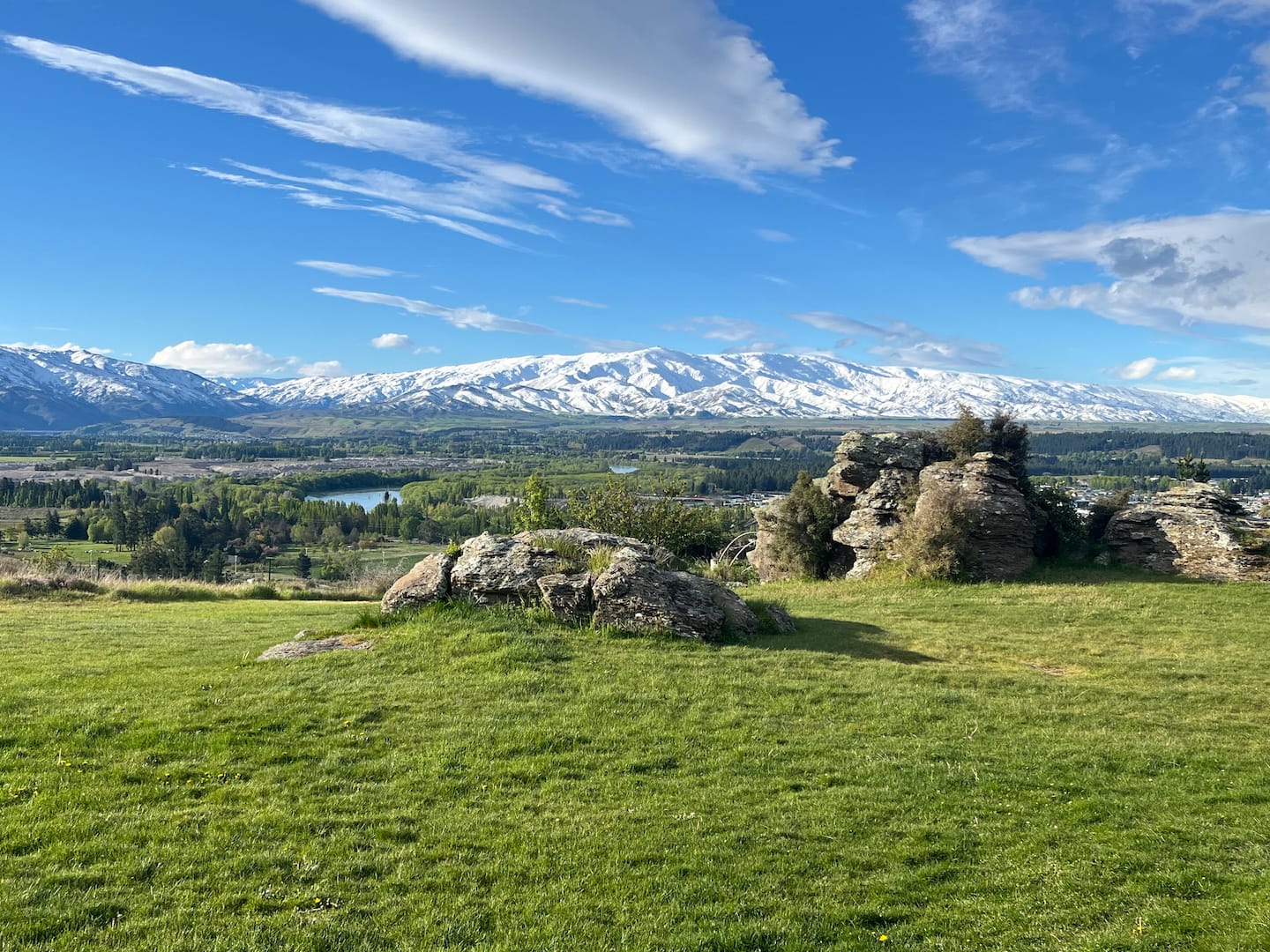
Away from the structures it is the emptiness. The Maniototo is a high, dry basin with a particular hard light that Grahame Sydney spent a career painting, and the red goods shed at Wedderburn is probably the most reproduced building in Central Otago because of it.